

Investment Property Loans
Whether you're buying your first investment property or growing an existing portfolio, I'll help you understand your borrowing options and structure your lending with your longer-term goals in mind.
Property investment isn't just about getting approved for your next loan. How your lending is structured today can affect your options when you're ready to purchase again.
Whether you're buying your first investment property, accessing equity or adding to an existing portfolio, I'll help you understand your borrowing position, compare suitable lenders and consider your finance in the context of your longer-term property goals.
How I'll help with your investment lending
Your investment strategy is personal. I'll help you understand your options and structure your lending around what you're trying to achieve now and in the future.
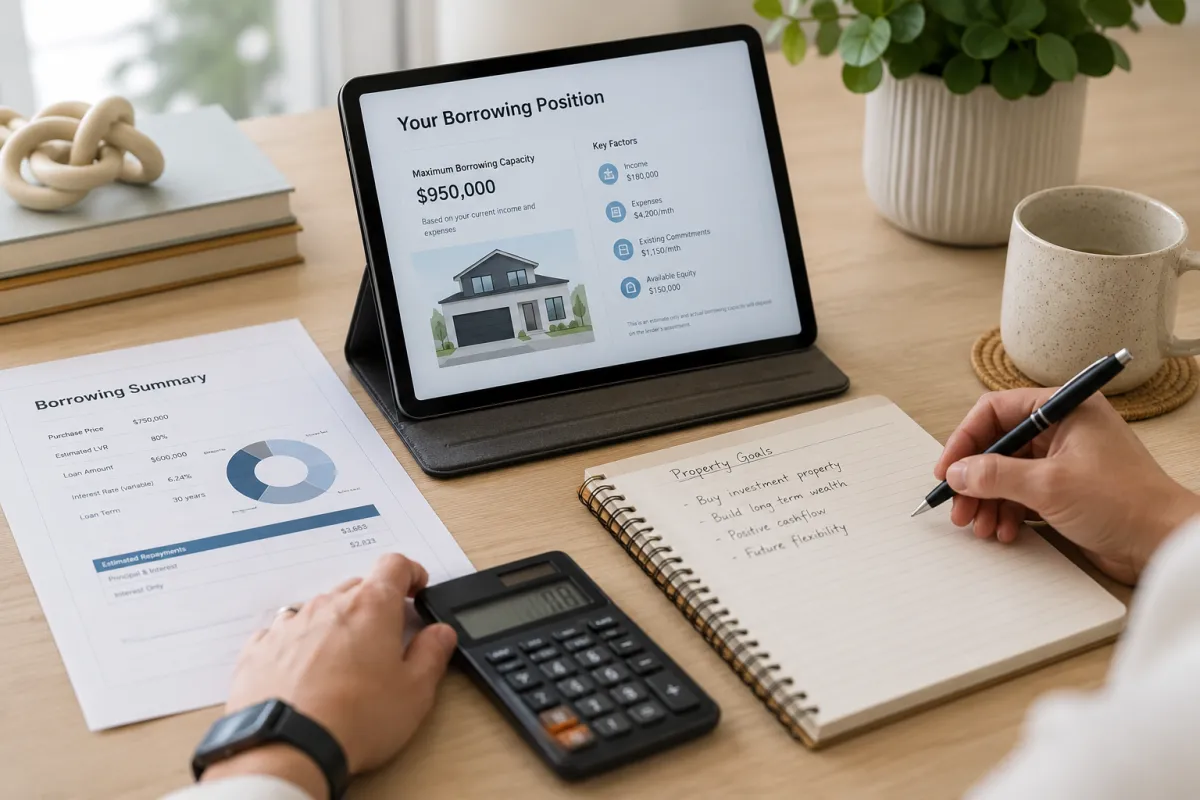
Understand your borrowing position
Work out what you may be able to borrow before you start seriously looking for your next property.
Access available equity
Understand whether equity in an existing property could form part of your investment purchase.
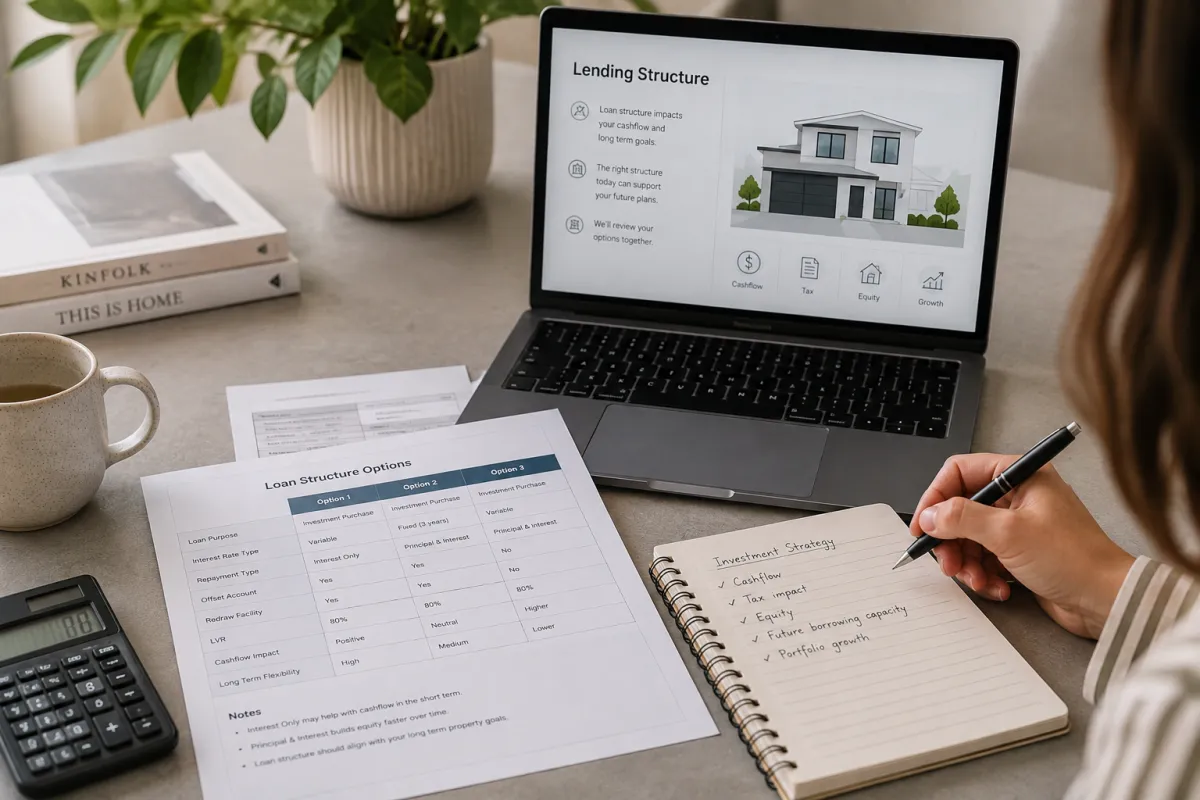
Structure your lending
Consider loan structure, existing lending and how the new investment fits alongside your broader property goals.

Compare suitable lenders
Compare lender policies and options based on your circumstances rather than simply chasing the lowest advertised rate.
Frequently Asked Questions
Property investment comes with plenty of decisions.
Here are answers to some of the questions I'm asked most often.
Question 1: ow much deposit do I need for an investment property?
The deposit you need will depend on the property, the amount you're borrowing and the lender's requirements.
A 20% deposit is often used as a starting point because borrowing more than 80% of a property's value can involve additional lending requirements and potentially Lenders Mortgage Insurance (LMI). However, a 20% deposit isn't necessarily required in every situation.
If you already own property, available equity may also be able to form part of the funds needed for your next purchase.
I'll help you work out what your options look like based on your actual position before you start searching for a property.
Question 2: How much can I borrow for an investment property?
Your borrowing capacity isn't based on your income alone.
Lenders will consider your income, existing debts, living expenses, other property loans and the proposed investment.
Potential rental income may also be included in the assessment, although how it is treated varies between lenders.
This is one reason borrowing capacity can differ significantly from one lender to another. I'll assess your position and compare suitable lending options before you decide on your purchase budget.
Question 3: Can I use equity in my home to buy an investment property?
Potentially, yes.
Equity is broadly the difference between the value of your property and the amount you still owe against it. However, having equity doesn't automatically mean all of it is available to borrow.
The amount you may be able to access depends on factors including the property's value, your existing loan balance, your borrowing capacity and the lender's requirements.
I'll help you work out how much equity may be available and whether using it makes sense for your proposed investment purchase
Question 4: Should my investment loan be interest-only or principal and interest?
There isn't one answer that suits every investor.
With an interest-only loan, your required repayments cover the interest for an agreed period without reducing the principal. This generally means lower repayments during the interest-only period, but repayments increase when the loan switches to principal and interest.
With principal and interest repayments, you're reducing the loan balance as you go.
The appropriate structure depends on your circumstances and objectives, so we can compare the lending implications of both options as part of your strategy. For tax implications, you should speak with your accountant or tax adviser.
Question 5: How should I structure my investment property loans?
How you structure your lending can become increasingly important as your property portfolio grows.
Rather than looking at one loan in isolation, I'll consider your existing lending, available equity, proposed purchase and future plans when comparing suitable options.
Where tax implications are involved, I'll recommend you discuss the proposed structure with your accountant or tax adviser before proceeding.
Question 6:What costs should I allow for when buying an investment property?
The purchase price and deposit aren't the only costs to consider.
Depending on your purchase, costs can include stamp duty, settlement or conveyancing costs, building and pest inspections and lending-related costs. Once you own the property, you'll also need to allow for expenses such as council and water rates, insurance, property management, maintenance, strata fees where applicable and potentially land tax.
Understanding these costs upfront gives you a much clearer picture of what you can comfortably afford rather than basing your decision on the deposit alone.
READY TO TALK ABOUT YOUR NEXT PROPERTY?
Whether you're considering your first investment or planning the next addition to your portfolio, we can talk through your position and the lending options available to you.


